In short: to choose a reliable builder in Newcastle or anywhere in the North East, check that the business is real and traceable, that it holds Public Liability insurance, that it gives you a detailed written quote after visiting your home, and that it asks for a fair payment schedule rather than a large sum up front. Look at genuine photos of their own work and real reviews, and make sure you know who is responsible for the whole job.
Most people only hire a builder a handful of times in their lives, so it is hard to know what “good” looks like. Unfortunately, every year homeowners across Tyneside, Wearside and County Durham lose money to unfinished jobs and poor workmanship. The good news is that a few simple checks will filter out almost all of the problems. Here are the twelve we would make ourselves.
1. Check the business is real
A trustworthy builder has a name, a phone number that is answered, and a business you can look up. If they trade as a limited company, you can search for them free of charge on the Companies House register and see when the company was set up and who the directors are. Be wary of anyone who only gives a first name and a mobile number.
2. Ask about insurance — and what it covers
At the very least, your builder should hold Public Liability insurance, which covers damage to your property or injury to other people caused by their work. Ask how much cover they have and whether it applies to the type of work you want done. You are entitled to ask to see proof.
3. Insist on a site visit before any price
Nobody can price a bathroom, roof or extension accurately from a couple of photos. A builder who comes out, measures up and asks questions is far more likely to give you a quote that does not change halfway through the job.
4. Get a detailed written quote
A proper quote lists what is included, what is not, who supplies the materials, the expected start date and how long the work should take. A single line saying “bathroom — £X” leaves too much room for arguments later. Always get at least two or three quotes and compare what each one actually includes, not just the total.
5. Understand the difference between a quote and an estimate
A quote is a fixed price for the work described. An estimate is a best guess that can change. Both have their place — older houses can hide problems that nobody can see until the walls are opened up — but you should know which you are being given and how any extra work will be agreed. The best approach is that any extra is explained and agreed in writing before it is done.
6. Agree a fair payment schedule
Be cautious about paying a large amount before any work starts. A reasonable deposit for ordering materials is normal on bigger jobs, followed by stage payments as the work progresses, with the final payment due when the job is finished to your satisfaction. Never pay the whole cost up front, and avoid paying in cash without a receipt.
7. Look at their real work
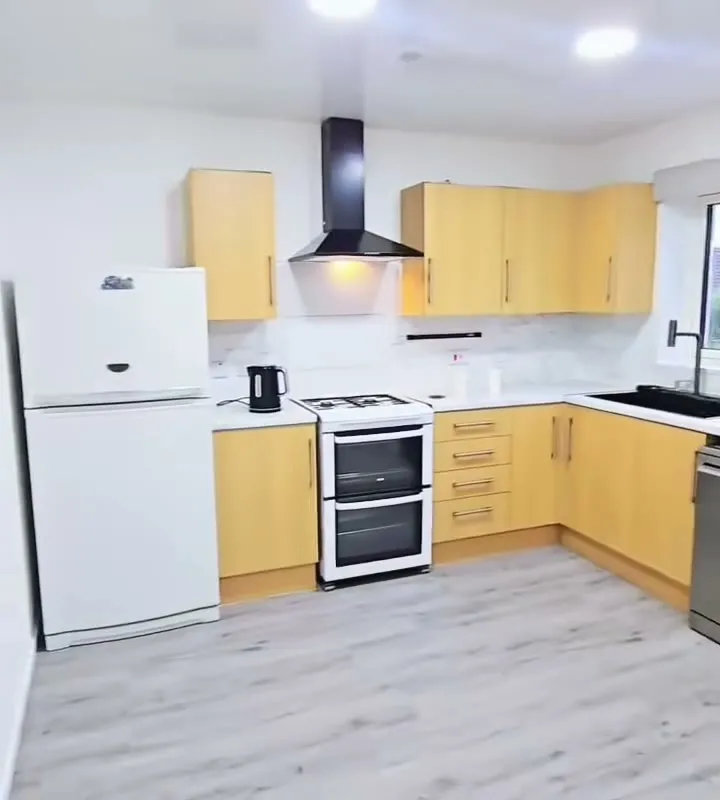
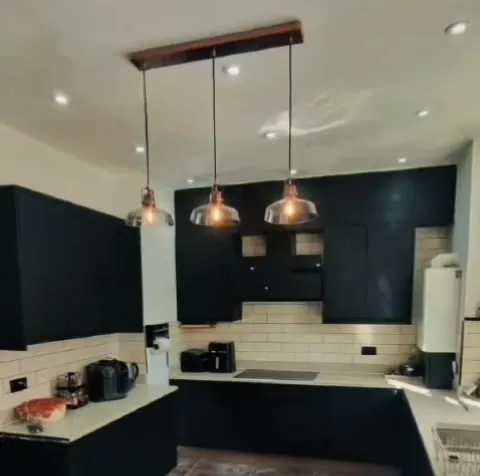
Ask to see photos of jobs they have actually completed — ideally before-and-after pictures from local homes. Stock images on a website tell you nothing. Many good local builders share their projects on social media too, which is a useful way to see the quality of their finish and how recent their work is.
8. Read genuine reviews
Look for reviews on independent platforms such as Google, where customers write in their own words. A handful of detailed, believable reviews is worth more than dozens of one-line ones. If you can, speak to a previous customer.
9. Find out who will actually do the work
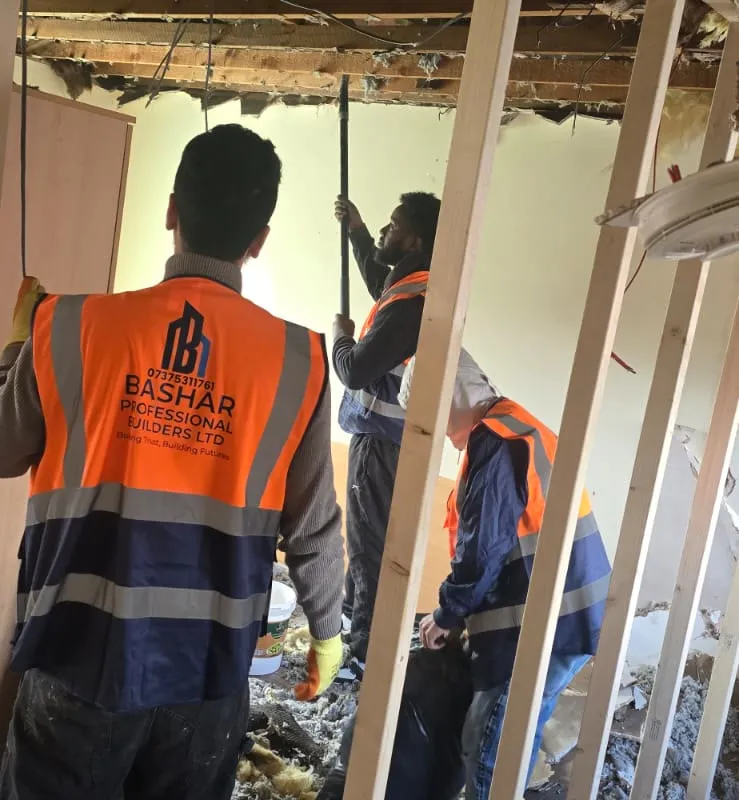
Some firms sell the job and then pass it to whichever subcontractors are available. Others use their own team. Ask who will be on site, who is responsible for the whole project, and who you call if something is not right. Having one company responsible for every trade means there is no finger-pointing between the plumber, the tiler and the electrician.
10. Check what certificates you will receive
Some work must meet the Building Regulations and be signed off. Electrical work needs a certificate, gas work must be carried out by a Gas Safe registered engineer, and larger jobs such as extensions and some roofing work need Building Control approval. Ask at the start which certificates you will receive at the end — you will need them when you sell your home.
11. Ask about guarantees
A builder who is confident in their work will guarantee it. Ask how long the workmanship guarantee lasts, what it covers and whether it is written down. Manufacturer guarantees on products such as boilers, windows and showers are separate.
12. Know your rights
Under the Consumer Rights Act 2015, a trader must carry out a service with reasonable care and skill. If you sign a contract in your own home, you generally have a 14-day cancellation period, and the trader should tell you about it in writing. If you want work to start within those 14 days, you will usually be asked to agree to that in writing.
Red flags to watch for
- Knocking on your door saying they “noticed a problem with your roof”.
- Pressure to decide today or lose a “special price”.
- Cash-only payments, or a large payment before any work starts.
- No written quote, no address and no business name.
- A price far lower than everyone else’s.
How we work
At Bashar Professional Builders we offer a free site visit and a clear written quote for every job, with no obligation. We are a registered limited company based in Gateshead with more than 10 years of experience and over 200 satisfied clients, we hold £5 million Public Liability insurance, and our workmanship is guaranteed for 1 to 10 years depending on the job. Our own in-house team covers every building trade, from bathrooms and kitchens to roofing and full refurbishments.
See photos of our real projects, or get in touch for your free quote anywhere in Newcastle, Gateshead, Sunderland, Durham or Northumberland.
Frequently asked questions
How many quotes should I get from builders?
Two or three detailed written quotes are usually enough. Compare exactly what each one includes rather than just the total price.
How much deposit should I pay a builder?
Avoid paying a large amount before work starts. A reasonable deposit for materials on bigger jobs, followed by stage payments and a final payment on completion, is a fair arrangement.
What insurance should a builder have?
At least Public Liability insurance, which covers damage to your property or injury to others caused by the work. You are entitled to ask to see proof.
Can I cancel a contract with a builder?
If you sign a contract in your own home you generally have a 14-day cancellation period under consumer law, and the trader should tell you about it in writing.
Topics: Choosing a builder